
Creative Cake Decorating Tools Comparison for Every Baker
Piping bags, offset spatulas, fondant smoothers, and modeling tools each create distinct effects when decorating cakes. A basic piping bag works for borders and lettering, while a set of metal tips can deliver over a dozen shapes from a single batch of buttercream. Fondant smoothers are essential for flawless surface finishes, especially on tiered cakes taller than six inches. Selecting the right tool can mean the difference between sharp edges and uneven lines. Skill level, cake size, and cleanup time all shift depending on the tool chosen.
Which tool gives the cleanest results
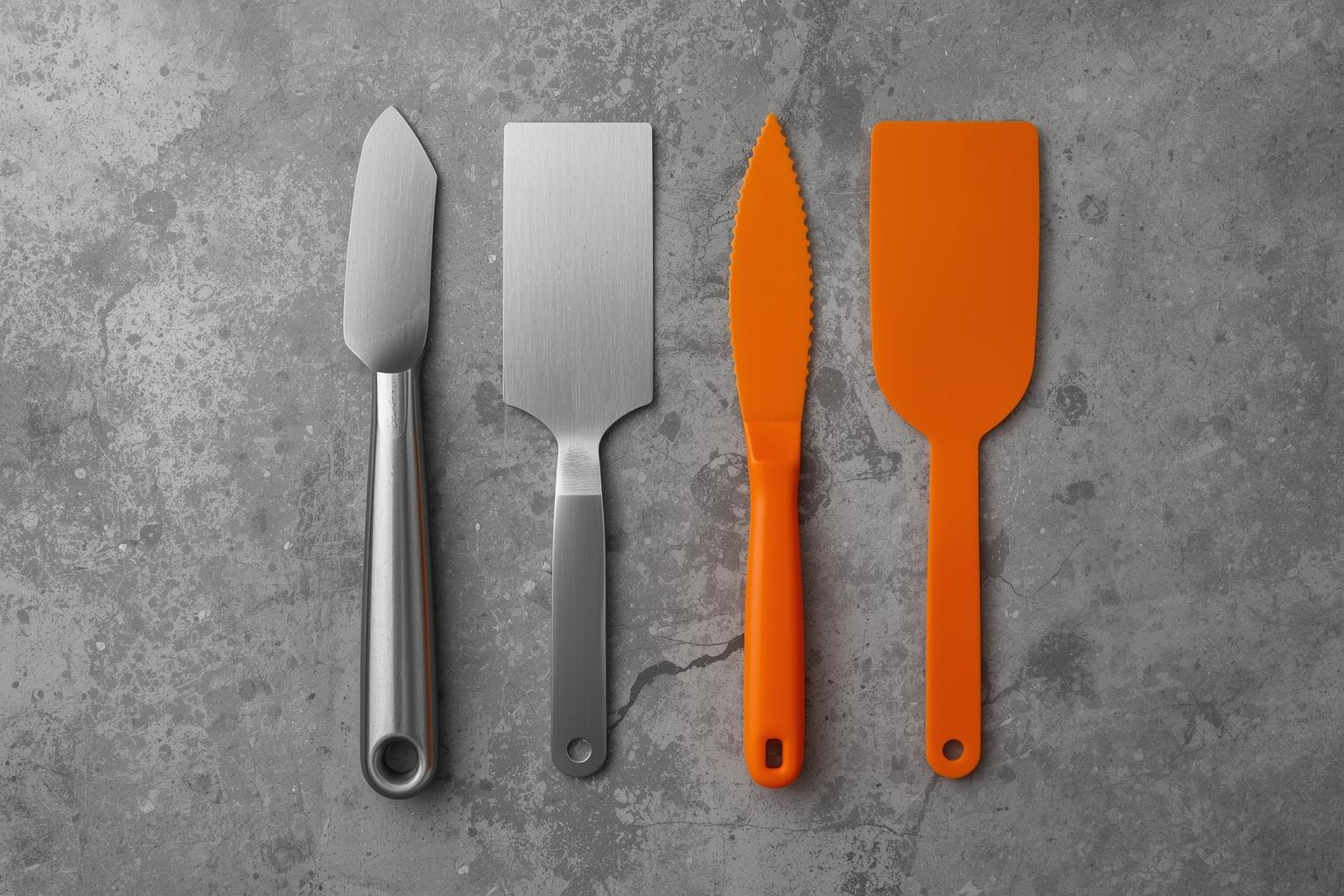
Fondant smoothers, precision piping tips, and specialty spatulas each shape cake surfaces with a different level of clarity. A fondant smoother can create flawless sides, while the right piping tip handles detailed script that would otherwise blur. The choice of tool determines whether a design looks crisp or unfinished.
Piping bags versus decorating pens
Sharp edges and fine lines stand out most on cakes that require detailed work. Achieving these clean results depends on the tool, especially when decorating with royal icing or ganache. The following points break down where piping bags and decorating pens perform differently:
- Piping bag – better for thick creams and large shapes
- Decorating pen – superior for tiny lettering and intricate filigree
- Piping bag – risk of uneven pressure causing wobbly lines
- Decorating pen – consistent flow makes dot placement precise
- Piping bag – tip swapping allows quick change between patterns
For anything under 5 millimeters wide, a decorating pen gives the cleanest results. Scripts and lacework benefit from the pen’s steady flow and fine tip control.
Fondant tools for smooth surfaces
Multiple fondant tools deliver varying levels of smoothness. Heavy fondant smoothers with rounded edges glide over seams and air bubbles, while basic rolling pins often leave streaks or dents if the pressure is uneven.
| Tool type | Surface finish | Ease of use | Common flaw |
|---|---|---|---|
| Acrylic fondant smoother | Glass-smooth, even on dark-colored fondant | Requires little pressure | None if used correctly |
| Plastic rolling pin | Often streaked, occasional pitting | Lightweight, can slip | Visible drag marks |
| Flexible acetate sheet | Very high sheen, especially on sides | Needs practice for corners | Edges can catch, leaving ridges |
| Silicone fondant paddle | Matte, with occasional tiny pits | Comfortable grip | Body flexes; inconsistent flattening |
| Hands only | Patchy, fingerprints and creases | Maximum control | Heat from hands softens fondant, causing sag |
| Textured fondant roller | Patterned, not smooth | Easy pattern transfer | Unwanted lines if pressed too hard |
Acrylic smoothers deliver the most flawless finish, while hands alone almost always leave visible flaws. Consistent pressure and a wide surface make the difference with modern tools.
Straight-edged spatulas and sharp piping tips consistently produce the cleanest lines and surfaces. Professional decorators often rely on these for competition-level finishes.
How much skill each tool requires
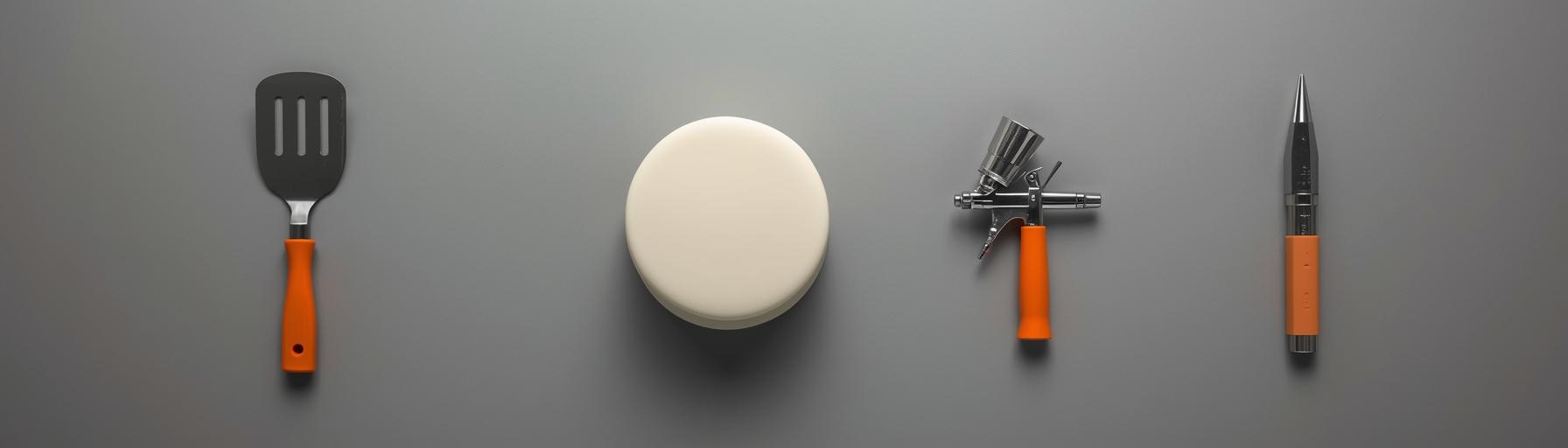
Piping bags with basic tips are widely used by beginners, since mastering simple swirls and borders takes little time. Advanced tools, such as airbrush kits or sugar modeling tools, require more patience and repeated practice for precision.
Fondant smoothers and rolling pins have a gentle learning curve and let new decorators create neat surfaces quickly. By contrast, intricate flower cutters or stencils demand steadier hands, as mistakes show easily on detailed patterns.
Choosing a tool that matches current skill level helps avoid frustration and encourages continued improvement. Moving too quickly to complex techniques often leads to wasted materials and uneven results.
What to expect for cleanup and storage
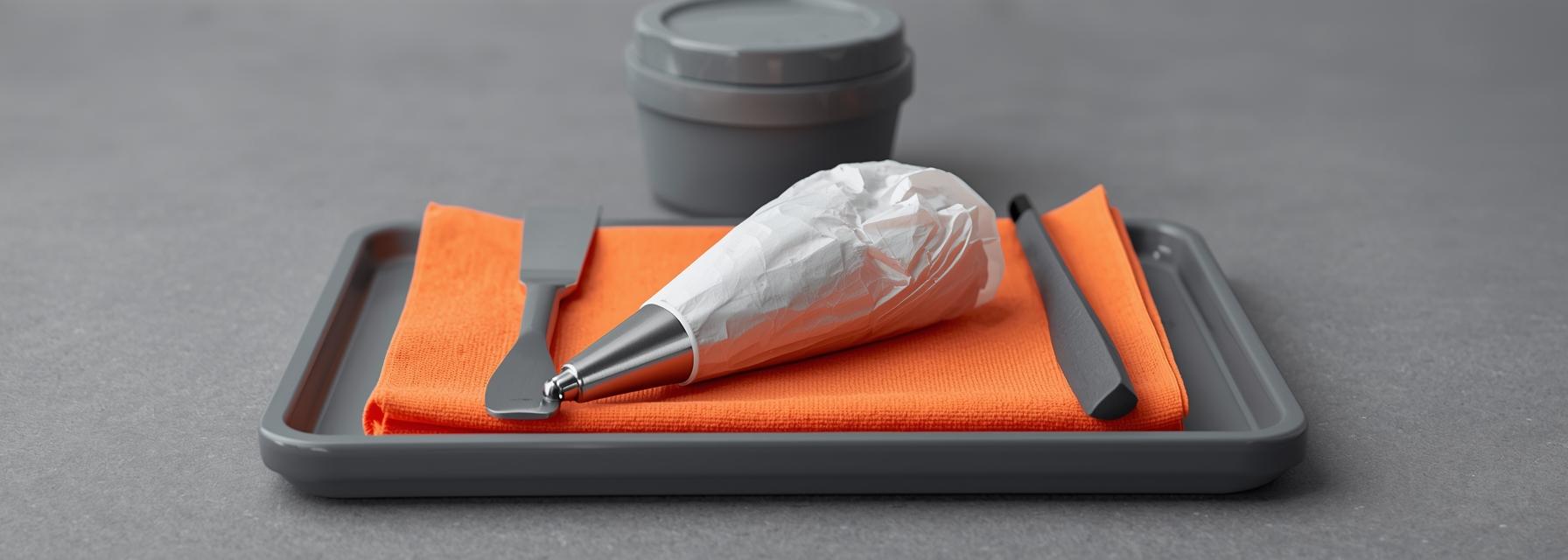
Plastic piping bags and intricate nozzles often leave behind stubborn bits of frosting that simple rinsing can miss. Single use items disappear quickly but add to kitchen waste, while reusable tools demand more attention to prevent lingering odors or stains. Home bakers face a trade-off between convenience and long-term upkeep with each choice.
Reusable tools and maintenance needs
Reusable cake decorating tools speed up complex projects but demand specific care to last. Silicone mats, metal tips, and specialty cutters each present unique cleaning challenges that can affect future performance if overlooked. Patterns of residue buildup or improper drying often separate tools that last years from those that degrade quickly:
- Silicone mats – sticky films cling after sugar work, needing hot water and scrubbing
- Metal piping tips – fine openings trap cream, requiring brush cleaning after each use
- Specialty cutters – intricate edges collect dough and fondant, best cleaned immediately
- Textured rolling pins – small grooves accumulate flour and paste, calling for detailed rinsing
- Reusable pastry bags – absorb fat and color, requiring thorough inside out washing
Missed residue in any tool leads to flavor transfer or rust in later batches. Storing tools fully dry, disassembled if possible, reduces risk of mold and keeps edges sharp.
Single-use tools and waste concerns
Disposable piping bags and plastic nozzles promise fast cleanup after decorating cakes. Convenience rises when working with intricate designs or colored icings that stain easily.
Pre-cut parchment bags often eliminate lengthy scrubbing, especially after using royal icing or thick ganache. Tossing them prevents lingering odors from dairy fillings or food colorants. However, single-use tools quickly fill up trash bins during large baking sessions or events. Plastic couplers and mini spatulas, sold in bulk, add to this waste when used for one-off projects.
Storage space seems unnecessary for disposable items, but unopened packs pile up in home kitchens. Bulk purchases for holiday baking may go unused and expire, creating more clutter. In shared or rented kitchens, bins overflow with wrappers and plastic tips, attracting pests and complicating end-of-day cleaning.
Many overlook the buildup of packaging waste from months of disposable tool use. Compostable or recyclable options reduce landfill contributions without sacrificing speed.
Reusable decorating tools may save money over time but require careful cleaning and thoughtful storage to avoid damage. Choosing tools that match available space and cleaning habits helps keep decorating enjoyable rather than a chore.